
22a92174-eb40-43ef-86d1-eaf76af86318.webp


There is a difference between giving someone an object and giving them a way to remember. In grief, that difference matters. A good guide to personalized remembrance gifts begins there - not with trends or etiquette, but with the quiet question underneath every sympathy gift: will this help the person feel closer to who they lost?
The best remembrance gifts do not try to fix grief. They do not brighten the room for the sake of brightness. They offer something steadier - a small ritual, a name spoken aloud, a date held in place, a physical reminder that love did not end when a life did. Personalization matters because grief is specific. The loss of a mother is not the loss of a friend. The death of a partner does not move through a home the same way the death of a child does. Generic gifts often miss that truth.
What personalized remembrance gifts are really for
A remembrance gift is not just a keepsake. At its best, it becomes a point of return. Something the grieving person can reach for on a birthday, an anniversary, a Sunday afternoon, or a night that feels heavier than expected.
That is why the most meaningful gifts usually do one of two things. They either preserve something personal, like a name, handwriting sample, date, or phrase, or they support a repeatable act of remembrance. Sometimes they do both. A framed photo can preserve. A personalized candle can preserve and invite ritual. That distinction matters more than most gift guides admit.
People often shop for sympathy gifts too early in their thinking. They ask what is appropriate before asking what is useful. But usefulness in grief does not always mean practical in the ordinary sense. A casserole is practical. A memorial object can be emotionally useful. It can help mark time, create a pause, and give shape to feelings that otherwise stay unspoken.
A guide to personalized remembrance gifts that feel sincere
The safest path is not always the most meaningful one. Many people choose gifts that are broadly acceptable because they are afraid of getting it wrong. That instinct is understandable. Grief can make everyone feel careful. But sincere gifts usually come from paying attention to the person who died and the person who remains.
Start with relationship. Was this someone’s dad, wife, brother, best friend? The closer the gift speaks to that bond, the less generic it feels. A memorial item that simply says “Forever in our hearts” may be kind, but one that names “Dad,” includes his birth date, or reflects a phrase he always said carries more weight.
Then think about use. Will this gift sit on a shelf, be worn, be held, or be returned to during important moments? There is no single right answer. Some people want something private and tactile, like a piece of jewelry engraved on the inside. Others want an object with a visible place in the home, something that quietly says this person is still part of the room.
Timing matters too. Right after a death, the grieving person may be overwhelmed by logistics, visitors, and numbness. In that window, simple gifts often land best. Weeks later, when the noise fades and the absence sharpens, a more personal remembrance gift can feel especially supportive. It depends on your relationship and on what you know of their style of grieving.
The most meaningful types of personalized remembrance gifts
Some gifts center memory. Others center ritual. The strongest choices often hold both.
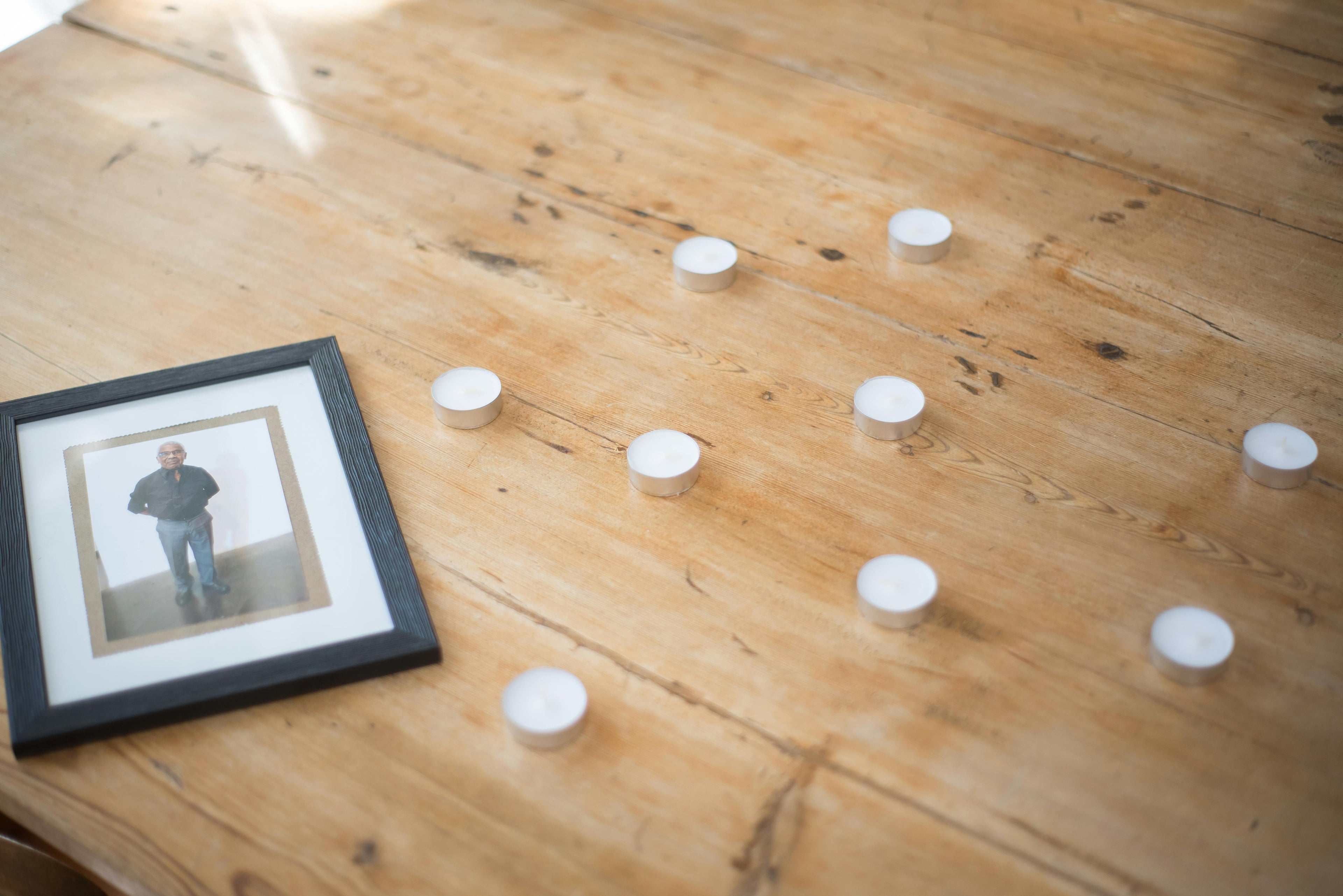
Personalized memorial candles have become especially meaningful because they ask very little while offering a lot. Lighting a candle is a small action, but it creates a clear moment of intention. It can become part of how someone marks a father’s birthday, a partner’s death anniversary, or the end of a difficult day. When a candle includes a name, relationship, date, or short message, it shifts from decor into something closer to a ritual object. That difference is why brands like Afterlights do not treat remembrance candles as ordinary home fragrance.
Engraved jewelry can also be powerful, especially for people who want to carry memory quietly. A bracelet with initials, a necklace with coordinates, or a ring engraved with a private phrase can feel deeply intimate. The trade-off is that jewelry is highly personal in style. If you are unsure about what the recipient wears, it may miss the mark.
Framed prints, handwritten note reproductions, and custom artwork work well when the person values visual reminders in the home. These can be beautiful and lasting, but they ask for wall or shelf space and may feel too public for someone who is grieving privately.
Memory boxes and keepsake containers offer another kind of support. They are not always display pieces. Sometimes their value is in giving loose grief a place to go - sympathy cards, photographs, funeral programs, ticket stubs, voicemails transcribed on paper. For a person who needs containment rather than decoration, this can be the right choice.
Textiles such as memorial blankets or embroidered pillows can provide comfort through touch. They are often chosen for immediate softness, though they can vary in quality and can sometimes feel more commercial than intimate if the personalization is minimal.
How to choose the right gift for the person, not the category
A useful guide to personalized remembrance gifts has to make room for differences in grief. Not everyone wants the same kind of remembrance. Some people want daily visibility. Some want private rituals. Some want very little in the first months and more later.
If the person you are buying for is overwhelmed, choose something simple to receive and simple to use. A personalized candle, for example, does not require explaining or arranging. It can sit nearby until the person is ready. That readiness matters.
If they are reflective and ritual-oriented, choose something that invites repetition. A gift becomes more meaningful over time when it can be returned to again and again. This is part of why candles, journals, and keepsake boxes often resonate. They support an action, not just a sentiment.
If they are highly visual or home-centered, a framed or displayable piece may feel right. If they are private, something wearable or closable may feel gentler. The gift should not force expression. It should offer company.
When possible, personalize with restraint. More detail is not always better. A name, relationship, important date, or short line can be enough. Overloading a gift with text can make it feel designed rather than felt. Grief usually responds better to clarity than abundance.
What to avoid when giving remembrance gifts
The biggest mistake is choosing something that centers your need to comfort rather than their way of grieving. Gifts that feel inspirational, overly polished, or broadly spiritual can miss the emotional reality of loss. Unless you know the person wants that language, avoid messages that try to explain the death or soften it too quickly.
It is also wise to avoid personalization that requires guesswork. Do not invent a phrase you think sounds meaningful if you did not know the person well. Instead, keep it simple. A name and dates can be more honest than borrowed poetry.
Be careful with humor, bright celebration language, or anything that feels like a milestone gift. Remembrance gifts should not erase the gravity of loss. They should make space for it.
Quality matters more than quantity. One well-made object with emotional clarity is usually more meaningful than a box full of generic sympathy items. People remember what felt true.
When a remembrance gift becomes part of life
The most lasting gifts are the ones that can live alongside grief as it changes. In the first month, a gift may be a comfort. Six months later, it may become a ritual. Years later, it may still be the thing someone reaches for on a birthday or holiday because it helps the remembering feel less abstract.
That is the quiet hope behind personalization. Not that a gift will say everything, but that it will say enough. Enough to honor one specific life. Enough to make memory tangible. Enough to give the grieving person something steady to hold, light, wear, or keep when words are no longer useful.
If you are choosing for someone you love, let the gift be simple, personal, and real. The right remembrance gift does not ask grief to become smaller. It simply offers a gentle place for love to keep going.