
ccf1aaa4-0f68-451c-8c31-98582dc5d200.webp


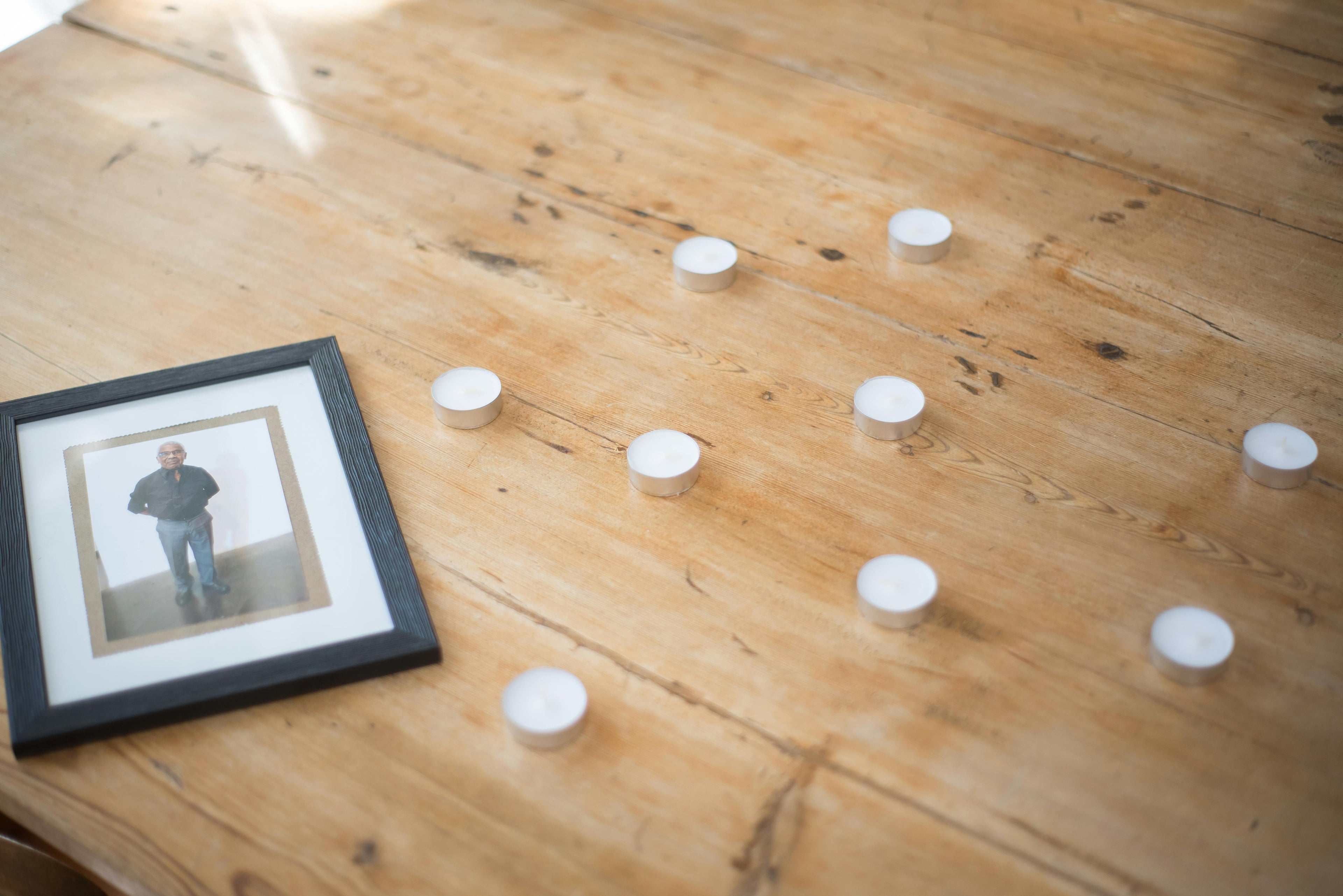
A remembrance candle often becomes more important after the first lighting. It sits on a shelf, near an urn, beside a framed photo, or in the quiet corner where grief tends to land. That is why learning how to personalize remembrance candles matters. The right details can turn a candle from a sympathy object into a small, repeatable ritual.
Personalization is not about adding more for the sake of more. It is about choosing what feels true to the person you miss and to the way you remember them. Sometimes that means a full name and dates. Sometimes it means a single word, a scent that feels familiar, or a phrase only your family would understand.
How to personalize remembrance candles in a way that feels true
The most meaningful remembrance candles are usually specific, not elaborate. Grief rarely needs decoration. It needs something steady enough to hold memory without forcing it.
A good place to begin is with the person, not the candle. Ask yourself what you want this candle to do. You may want it to mark a birthday, sit beside you on Sunday mornings, be lit during holidays, or offer a small action when words are hard to find. That purpose helps shape every other choice.
If the candle is for your dad, you may want language that feels grounded and direct. If it is for a partner, you may want something more intimate. If it is for a child, the tone may need to be especially gentle. There is no universal formula because remembrance is relational. The meaning comes from who is being honored and how you carry them now.
Start with the name you actually use
For many people, the first decision is whether to use a full name, a nickname, or a relationship title. Each choice creates a different feeling.
A full name can feel formal, enduring, and archival. It often works well for memorial tables, funeral services, or anniversary rituals. A nickname can feel closer to daily life. It brings the person back as they were in your voice, not just on paper. A relationship title like Mom, Dad, Brother, or My Love can feel especially grounding when the loss is still raw.
There is no more correct option. The question is simple: when you light the candle, what name feels like them?
Include dates only if they help
Dates are common on memorial objects, but they are not always necessary. For some people, birth and death dates make the candle feel anchored and commemorative. For others, those numbers pull attention toward the fact of death more than the presence of memory.
If dates feel right, keep them clean and understated. If they do not, leave them off. You are not required to mark grief in the most traditional way for it to be real.
Some people choose a single year, a birth date only, or an anniversary date that matters to their family. That can be a gentler approach if a full date range feels too heavy.
Choose words that can be lived with
The inscription matters because you may read it again and again. Shorter is often stronger.
A phrase like Forever Loved, Still With Us, Always Dad, or In Loving Memory can work because it gives shape to feeling without trying to explain everything. But the most powerful wording is often personal. It might be a line they used to say, a private joke, a family sign-off, or a few words that carry their spirit.
What matters is whether the language still feels honest a month from now, not just on the day you order it. Grief changes. A candle that leaves room for that change tends to last longer in your life.
If you are giving the candle as a sympathy gift, restraint usually serves better than writing something sweeping or overly poetic. The person receiving it may not want a message that tells them how to feel. A simple name, dates, or a brief phrase can offer more comfort than a long sentiment.
Let scent carry memory carefully
Scent can be one of the most personal ways to shape remembrance. It reaches memory quickly, sometimes before thought catches up. A candle that smells like pine, cedar, ocean air, vanilla, tobacco, linen, or garden flowers can recall a person through atmosphere rather than language.
But scent is also personal in a more complicated way. A fragrance that comforts one person may overwhelm another. A smell connected to childhood may feel warm one day and painful the next. If you are choosing for yourself, trust your own body. If you are choosing for someone else, softer and cleaner scents are usually safer than anything too strong or heavily sweet.
Sometimes the best personalization is not matching a person exactly, but choosing a scent that supports the ritual. Quiet, familiar, and easy to return to often works better than dramatic.
Match the design to the role of the candle
Not every remembrance candle is meant for the same setting. Some are made for a memorial service. Others are for home use over months, even years. The design should reflect that.
If the candle will be part of a funeral or celebration of life, a more classic presentation may feel appropriate. Full names, dates, and a clean memorial phrase can help guests understand its purpose immediately.
If the candle is for private rituals at home, you may want something more minimal. A simple label with a name or relationship title can feel less like an event object and more like a steady companion through ordinary days. That difference matters. Many people do not want grief to be formal every time they touch it.
Color matters too, even when it seems subtle. White and cream often feel calm and ceremonial. Soft neutrals can blend into everyday spaces and make the ritual easier to return to. Darker tones may feel weightier, more intimate, or more modern. There is no fixed symbolism you need to follow. The visual language should feel livable.
Think about when it will be lit
One of the most overlooked parts of personalization is timing. A candle used every Sunday may need a different tone than one lit only on anniversaries. A candle for a bedside table may need to feel quiet. A candle used during family gatherings may need to feel more shared.
You can personalize around those moments. Some people mark birthdays, death anniversaries, and holidays. Others light a candle whenever the house feels especially empty. The ritual does not need to be grand to matter. It only needs to be repeatable.
That is part of what makes a memorial candle different from a generic gift. It becomes useful in grief, not just meaningful in theory.
How to personalize remembrance candles as a gift
When you are buying for someone else, personalization needs extra care. Your role is not to define their grief. It is to offer a respectful object they can use if and when they want to.
The safest path is usually to keep the personalization clear and modest. A name, relationship, or simple memorial phrase is often enough. If you know the family well, a private phrase may be deeply comforting. If you do not, avoid language that assumes beliefs, closure, or peace.
It also helps to think about the recipient's style. Some people want a candle that looks clearly memorial. Others want something understated enough to keep in their living room without explanation. A well-personalized gift meets the person who is grieving, not just the occasion.
For funeral homes and memorial professionals, this same principle holds. Personalization works best when it offers families room rather than pressure. The candle should feel considered, not standardized.
Leave space for grief to be unfinished
There is a temptation to make a memorial object carry everything - the whole relationship, the whole loss, the whole story. Most objects cannot do that, and they do not need to.
A personalized remembrance candle is at its best when it does one quiet thing well. It names the person. It marks the bond. It gives you something to reach for on days when grief has no language.
That may mean including less than you first imagined. A single name. A familiar scent. A date you always remember. A phrase that does not try too hard. At Afterlights, that kind of restraint is part of the point. The candle is not there to solve grief. It is there to accompany it.
If you are deciding how to personalize one now, trust what feels honest over what looks complete. The most lasting choices are usually the ones that let memory breathe.