
9c44915d-4f24-4bdc-bc2f-b934e2d6933c.webp


The keepsake table is often quiet.
Flowers arrive. Guest books open. People move through the room carrying shock, logistics, and love all at once. In that setting, a small object can do more than sit beside a framed photo. A thoughtful keepsake can give grief somewhere to land. This guide to funeral home keepsakes is for families who want something personal to hold onto, and for funeral professionals who want to offer remembrance items with real emotional value.
What funeral home keepsakes are really for
A keepsake is not just a takeaway from a service. At its best, it becomes part of what happens after everyone goes home.
That distinction matters. Many memorial items are chosen quickly, under pressure, and with limited emotional bandwidth. Families may say yes to something because it feels expected, not because it feels right. Funeral homes may stock what is standard, not what is meaningful. But grief does not follow a standard format. The objects that remain should make room for different kinds of mourning.
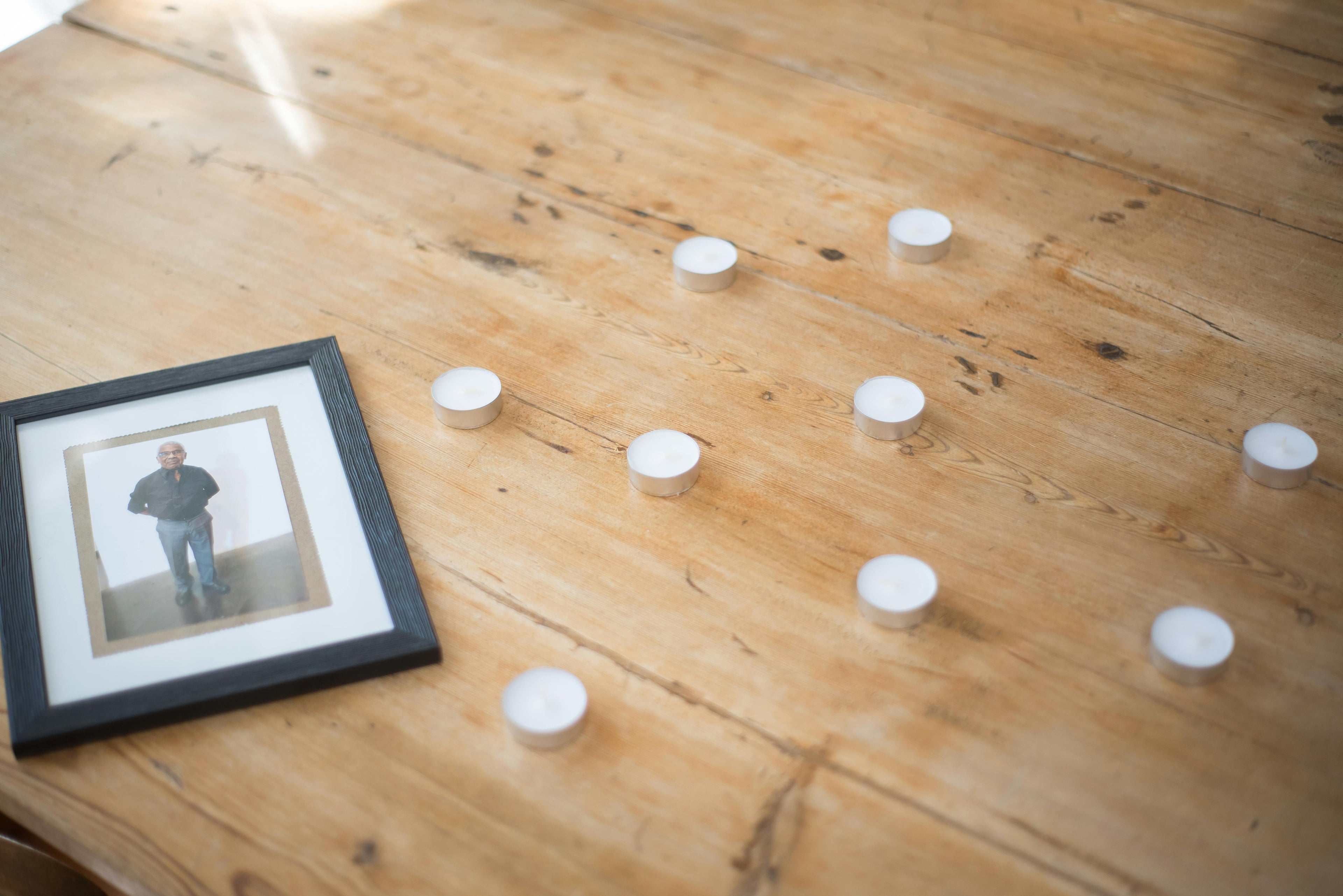
The most useful funeral home keepsakes usually do one of three things. They preserve a name or date, they carry symbolic meaning, or they support a repeatable act of remembrance. Some do all three. A printed card may preserve information. A piece of jewelry may hold symbolism. A memorial candle can become ritual - lit on birthdays, anniversaries, Sundays, or ordinary hard nights when loss feels newly close.
That is often the difference between a keepsake that gets stored away and one that stays in someone’s life.
A guide to funeral home keepsakes that feel personal
Personal does not always mean elaborate. In grief, simple is often kinder.
Families are usually making decisions while exhausted. They do not need more pressure to create the perfect tribute. What helps is choosing keepsakes that reflect the person who died in a clear, honest way. That might mean using a favorite phrase, a meaningful date, a handwriting sample, a scent association, or a material that feels grounded rather than decorative.
It also helps to ask a quieter question than What should we offer? Ask What will still matter in three months?
A few examples make this easier to see. Seed packets can be beautiful, but they depend on season, climate, and the recipient’s capacity to plant them. Laminated prayer cards may comfort some families deeply, especially where faith traditions are central. Customized candles tend to resonate across a wider range of beliefs because they do not ask much of the person receiving them. They offer a small action. Light, pause, remember.
That simplicity is not minor. In early grief, low-friction rituals are often the ones people can actually return to.
The role of ritual in keepsake selection
A funeral service is a single day. Grief is not.
That is why ritual-based keepsakes deserve more attention. They extend the care of the funeral beyond the event itself. A keepsake with ritual value creates a way for memory to reappear in daily life without demanding a grand gesture.
Candles, memorial stones, framed handwritten notes, and small boxes for private mementos all work this way. They are less about display and more about return. The person grieving can come back to them when they need to. Not on a schedule. Not because someone told them to. Just when the moment asks for it.
For funeral homes, this is worth understanding. Families are not only selecting merchandise. They are looking, whether they can say it clearly or not, for forms of support that continue after the service ends.
Which keepsakes work best for different families
There is no universal best choice. The right keepsake depends on the family’s culture, budget, emotional style, and what kind of loss they are facing.
For some families, tradition is the point. They may want prayer cards, portrait bookmarks, or guest books because those items connect them to prior generations and familiar mourning practices. For others, those same items can feel formal and distant. They may prefer something tactile and contemporary, like a personalized candle, a custom ceramic piece, or a fabric item made from clothing.
The relationship also matters. The death of a parent often brings a need for grounding and continuity. The death of a partner may call for something intimate and private. The death of a child can make many standard memorial products feel painfully inadequate, which is why softer, more personal keepsakes are often chosen with extra care.
Funeral professionals can support families well by avoiding one-size-fits-all language. Instead of presenting keepsakes as package add-ons, present them as options for remembrance. That slight shift changes the conversation. It makes space for feeling, not just selection.
Practical trade-offs to consider
Beautiful keepsakes are not always useful keepsakes.
Some items photograph well but do not travel home easily. Some are affordable in bulk but feel generic. Some are highly personalized but take too long to produce for the timing of a service. Others may work well for immediate memorial use but have little relevance afterward.
Candles, for example, are both symbolic and practical, but scent needs care. A strong fragrance may feel comforting to one person and overwhelming to another, especially in fresh grief. Jewelry can be deeply meaningful, but not everyone wants to wear their mourning publicly. Paper goods are accessible and familiar, though they may not offer the tactile durability some families want.
There is no perfect category. There is only a better fit for the people in front of you.
What funeral homes should look for in keepsake partners
If a funeral home offers keepsakes, quality matters beyond appearance.
Families notice when an item feels rushed, generic, or disconnected from the tone of the service. They also notice when something feels intentional. Materials, packaging, personalization, and language all shape that impression.
The strongest keepsake partners tend to understand grief, not just gifting. They know the difference between a memorial object and a retail product with a sympathy label placed on top. That difference shows up in design choices. Minimal, calm presentation often serves grieving families better than ornate messaging or overly sentimental copy.
Customization should also feel human. A name, date, or relationship title can be enough. More personalization is not always more meaningful. Sometimes restraint is what allows an item to carry more emotional weight.
For funeral homes, reliability matters too. Can the item be prepared within service timelines? Does it arrive consistently? Does it feel appropriate across a range of family preferences? A partnership only works if the emotional value and operational reality both hold up.
This is one reason many funeral professionals are rethinking keepsake offerings. Families increasingly want memorial items that feel contemporary, sincere, and usable in real life. They are less interested in obligation and more interested in connection.
How to choose a keepsake without overcomplicating it
If you are a family member making this choice, start smaller than you think.
Pick one object that reflects the person clearly. Not every detail has to be captured at once. A single meaningful keepsake often carries more comfort than a set of unrelated memorial items chosen in haste.
If you are choosing for a group, think about what people can actually receive. Something easy to hold, transport, and keep nearby tends to matter more than something fragile or ceremonial. If children will be attending, consider whether the keepsake is accessible to them too. A candle may become a family ritual. A card with a photo may become a bookmark in a bedside book. The object does not need to solve grief. It only needs to offer a way in.
If you are a funeral director or memorial professional, guide gently. Families often need permission to choose less, choose differently, or choose something modern without feeling as though they are breaking tradition. Offer language that reduces pressure. Remind them that keepsakes are for remembering, not performing remembrance.
Brands like Afterlights have emerged in this space because people want memorial objects that do not feel mass-produced or emotionally loud. They want something steady. Something handmade, personal, and simple enough to return to when words are not available.
The keepsakes people keep
The memorial items that last are rarely the ones that try hardest. They are the ones that remain usable, honest, and close at hand.
Years later, grief often lives in small moments. A date on the calendar. A song in the car. A Sunday afternoon that turns unexpectedly tender. The right keepsake meets those moments quietly. It does not ask for ceremony every time. It just waits, ready to help someone remember.
If you are choosing one now, that is enough to aim for - not impressive, not perfect, just true.