
5d26b644-6fff-4efc-bfb9-faa571a30fc4.webp


Some losses make time feel strange. Birthdays arrive too fast. Anniversaries drag. A regular Sunday can suddenly carry more weight than a holiday. In those moments, memorial candles personalized for one specific person can offer something steadier than words. Not a fix. Not a performance. Just a small action that gives grief somewhere to go.
That difference matters. A generic sympathy gift may be kind, but it often stays on the surface. A personalized memorial candle feels more intimate because it names the relationship, the person, and sometimes even the date that changed everything. It becomes less like an object on a shelf and more like a ritual you can return to when memory feels sharp, complicated, or quiet.
What personalized memorial candles really do
People often think of candles as decoration or fragrance first. In grief, that order changes. The candle is not there to make a room prettier. It is there to mark a moment.
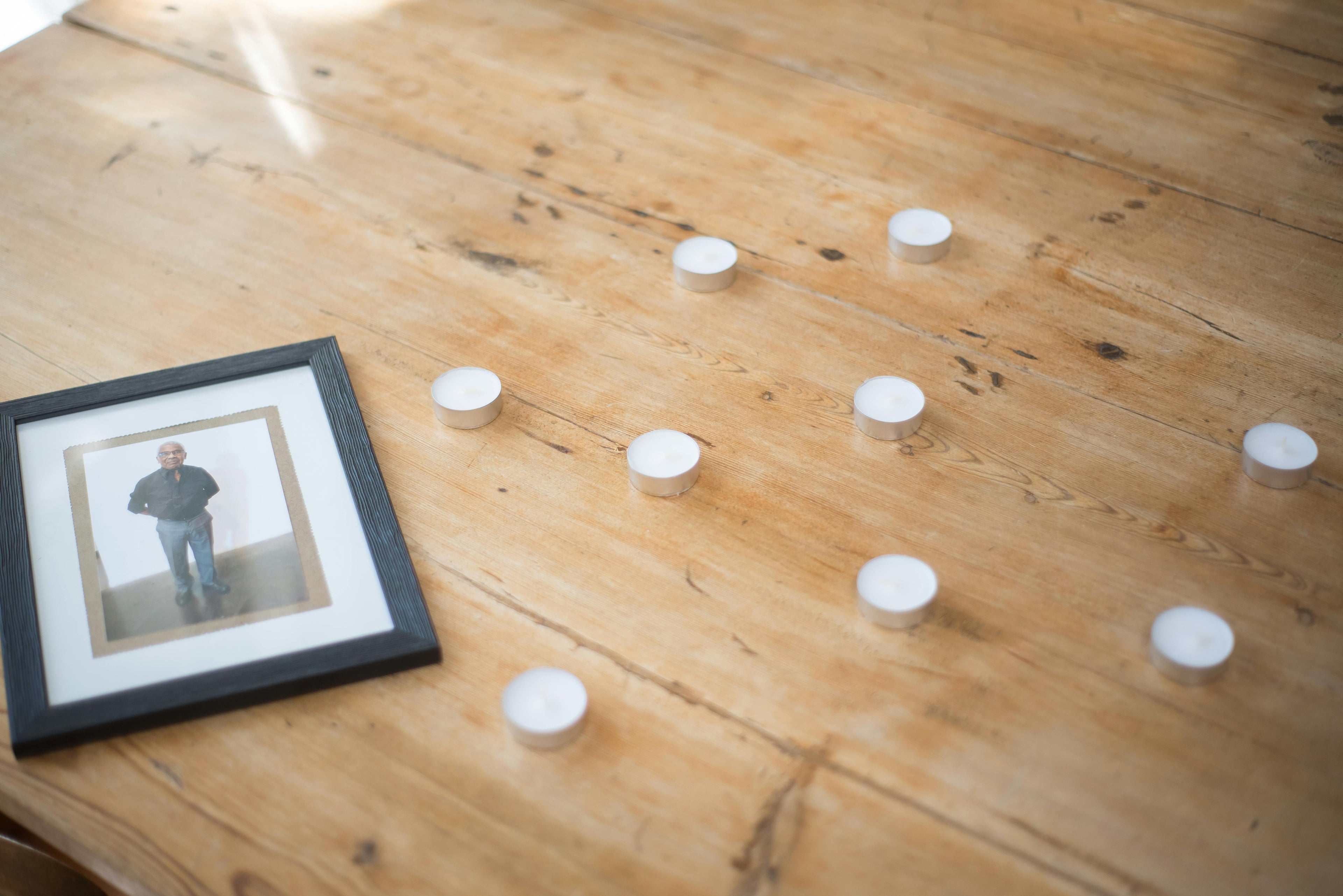
Lighting a candle can create a beginning and an end for feelings that otherwise have no clear shape. You light it on your dad's birthday. You light it before a funeral. You light it on a Tuesday night when you miss your partner and do not want to explain that feeling to anyone. The flame gives form to remembrance. It says, this time is for them.
Personalization deepens that meaning. A name makes the act specific. A message can hold a private truth. Sometimes a simple line such as "Dad, deeply missed" says more than a long sympathy card ever could. The point is not to say everything. The point is to make room for what cannot be fully said.
Why memorial candles personalized feel different from sympathy gifts
Most sympathy items are meant to comfort from a distance. Flowers arrive, then fade. Food helps for a few days. Cards can be treasured, but they are usually read once and set aside. Memorial candles personalized for a particular loss work differently because they ask to be used, not just received.
That use matters. Grief is repetitive. It returns in waves, and often at ordinary times. A remembrance object that supports repetition can be more helpful than something purely symbolic. You can light it every Sunday. You can use it during a music playlist, a prayer, a photo ritual, or a few minutes of silence before bed. The object becomes part of a practice.
There is also a quieter emotional truth here. Many grieving people do not want anything flashy or overly polished. They want sincerity. Personalization can provide that, but only when it feels restrained. Too much text can feel crowded. Too much ornament can make a memorial object feel generic in a different way. Usually, the strongest choices are the simplest ones.
When a personalized remembrance candle helps most
There is no perfect time to give or use one. It depends on the person and the stage of grief. Right after a death, some people want tangible rituals because they are in shock and need structure. Others are too overwhelmed to engage with anything meaningful until weeks later. Both responses are normal.
For many people, the candle becomes most important after the first wave of support fades. That is often when grief grows quieter but not lighter. The funeral is over. People stop checking in. Daily life resumes on the outside. Inside, the loss is still active. A candle can meet that private stage of mourning in a gentle way.
It can also matter on specific dates that tend to reopen grief - birthdays, death anniversaries, Mother's Day, Father's Day, holidays, wedding anniversaries, and the firsts that follow a death. Some people keep one for the entire year and light it at meaningful intervals. Others choose a candle for one season of grief, then save the vessel as a keepsake after it has burned down.
Choosing memorial candles personalized with care
Not every personalized candle will feel right for this purpose. The details matter, but maybe not in the way product descriptions usually suggest.
Start with the relationship. A candle made in memory of a mom may carry a different emotional tone than one for a partner, child, or friend. That is not about labels alone. Different losses ask for different language. The most thoughtful memorial candles recognize that grief is relational. We do not only miss a person. We miss who they were to us.
Then consider what should be personalized. A name is often enough. Sometimes adding birth and death dates feels grounding because it honors a real life with real boundaries. Sometimes a short phrase is better because dates feel too stark. There is no universal rule. If you are buying for someone else, less is usually safer unless you know their preferences well.
Scent is another personal choice, and this is where trade-offs matter. Some people find fragrance deeply comforting because it can trigger memory in an immediate, body-level way. A certain wood note may remind them of a father's jacket. A soft floral may call back a mother's perfume. Others are scent-sensitive or do not want any fragrance tied to mourning. In those cases, a subtle scent or unscented option may be more respectful.
Material matters too, though often for symbolic reasons as much as practical ones. A handmade soy candle tends to feel slower, softer, and more intentional than a mass-produced item. For grief objects, that sense of care is not a small thing. People can feel the difference between a keepsake and a quick commodity.
The role of ritual in modern grief
Many people want a ritual but do not belong to a formal religious tradition, or they belong to one but still need something personal at home. That is part of why memorial candles personalized for an individual loss have become so meaningful. They offer structure without demanding a script.
The ritual can be very simple. Light the candle. Say their name. Sit for five minutes. Let the room be quiet. That may be enough.
Or the ritual can hold more. You might cook their favorite meal and light the candle before eating. You might place it near photos on the anniversary of their death. A family might gather around it after a funeral, or a funeral home might incorporate it into a service where mourners need something visible and grounding. The candle does not replace grief work. It supports it.
That support is often underestimated because the action is small. But grief does not always need bigger gestures. Sometimes it needs repeatable ones. Small actions are easier to return to when energy is low, feelings are mixed, or words are unavailable.
Giving one as a gift without getting it wrong
A personalized memorial candle can be a deeply thoughtful sympathy gift, but context matters. The gesture works best when it feels quiet and specific, not performative.
If you knew the person who died, reflect that honestly. Use the name they were known by. Keep the wording clean. Do not force comfort into the message. "Forever in our hearts" may feel right for some families and too familiar for others. A simpler line can carry more dignity.
If you are unsure about tone, let the personalization do the emotional work. Name, dates, and a relationship can say enough. The goal is not to impress the grieving person with the gift. The goal is to offer them a tangible way to remember when the house is quiet again.
This is also why brands like Afterlights treat remembrance candles differently from standard home fragrance. The object carries emotional labor. It is part keepsake, part ritual, part companion for hard dates and ordinary evenings. When that is understood, the design tends to become cleaner, the language gentler, and the experience more honest.
A keepsake that changes over time
One of the most moving things about a memorial candle is that it changes with use. It burns down. The wax lowers. The ritual leaves visible evidence.
That can feel painful at first. Some people hesitate to light a memorial candle because they do not want it to diminish. But use is part of the meaning. The candle is not ruined by being burned. It is fulfilled by it.
And when it is finished, what remains often matters too. The vessel can stay on a bedside table, a bookshelf, or an altar space. It can hold notes, matches, jewelry, or small mementos. The ritual may shift, but the connection does not disappear.
If you are choosing memorial candles personalized for yourself or for someone you love, it helps to think less about decoration and more about companionship. The right candle will not ask grief to be neat. It will simply offer a place for remembrance to land, again and again, when it is needed most.
A small flame cannot carry the whole weight of loss. It can, however, hold a moment - and sometimes that is exactly what the heart can manage.