
13e8d6b3-3299-41e7-8fe3-fd76ba8f8a3d.webp


Some gifts arrive too early to be felt. Others come months later and land exactly when the silence has gotten loud. If you are wondering when should you send memorial gifts, the honest answer is that timing matters - but not in a rigid way. Grief does not move in a straight line, and the most meaningful gesture is often the one that meets someone where they actually are.
A memorial gift is different from a standard sympathy gift. It is not only about the first shock of loss. It is about remembrance, ritual, and staying present after everyone else has gone back to ordinary life. That is why the right time to send one can be immediate, delayed, or tied to a date that still carries weight.
When should you send memorial gifts after a death?
In the first few days after someone dies, people are often flooded with logistics, messages, family dynamics, and disbelief. During that window, practical support usually matters most. Food, childcare help, funeral contributions, and simple condolences can feel easier to receive than a deeply personal keepsake.
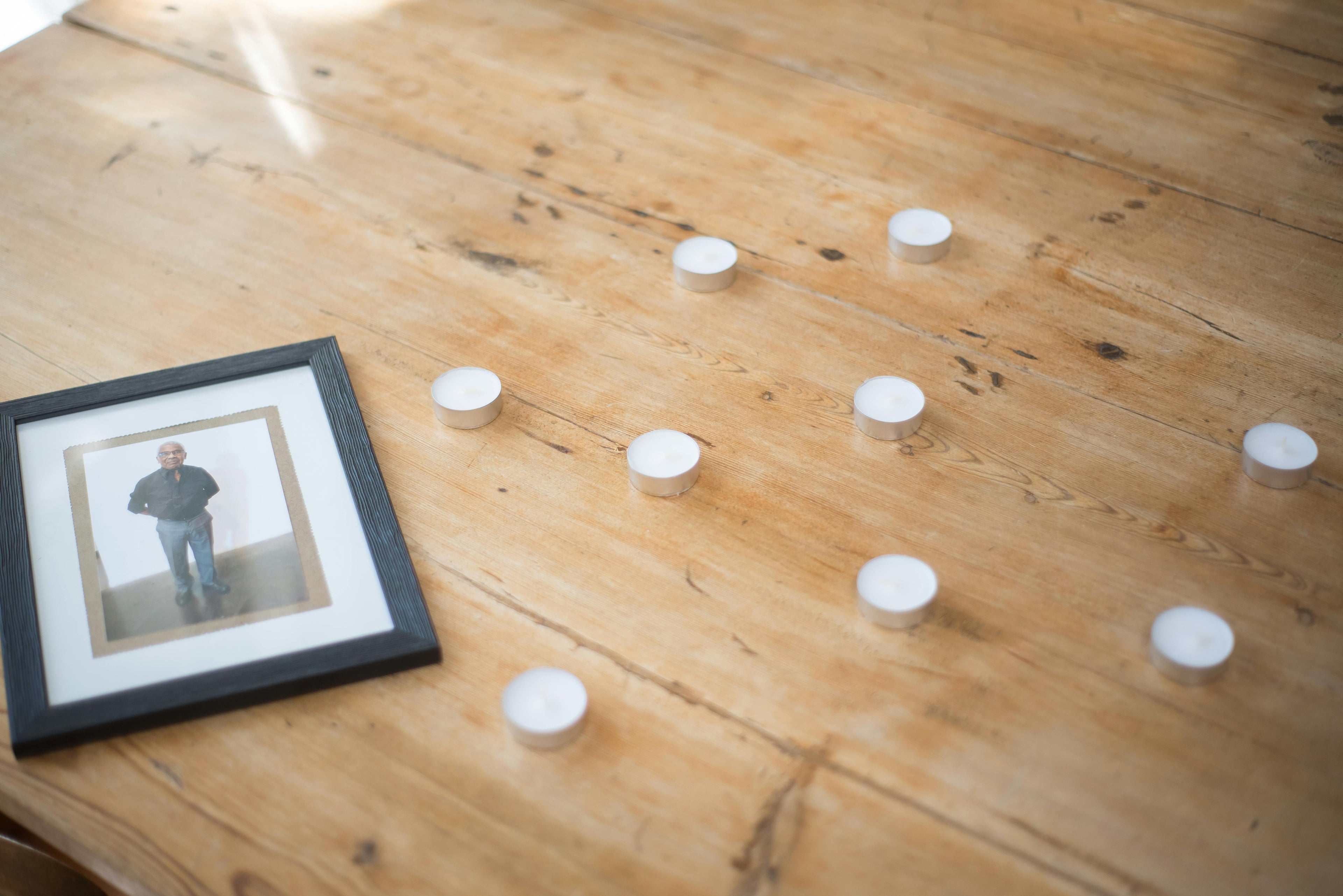
That does not mean a memorial gift is wrong right away. It depends on the relationship and on the gift itself. If you knew the person who died well, or if the recipient tends to find comfort in tangible objects, sending something personal soon after the loss can be deeply supportive. A remembrance candle, for example, can offer a quiet ritual during a week that feels unreal. It gives grieving people something small to do with their hands when words are exhausted.
Still, there is a trade-off. Very early grief can be disorienting. Some people may not be ready to open or emotionally process a memorial item in those first days. If you are close enough to know their rhythms, trust that knowledge. If you are unsure, a brief note and a slightly later memorial gift can be the gentler choice.
The first two weeks: thoughtful, but often crowded
The period before and just after the funeral is when most sympathy gestures arrive. Flowers are delivered. Cards stack up. Meals come in waves. Support is visible, but also brief.
Sending a memorial gift during this time can still be meaningful, especially if it is chosen with care rather than obligation. A gift tied to memory rather than decor can stand apart from more generic expressions of sympathy. It can also become part of the service, the home altar, or the early days of mourning.
But this is also the moment when people are least able to respond. If you send something in the first two weeks, do it without any expectation. No pressure to text back. No follow-up that asks whether it arrived. Let the gift be a quiet offering, not another task.
One to three months later is often the most overlooked time
If there is one window that is consistently underrated, it is the period after the funeral when the visible support starts to fall away. This is often when grief changes shape. The formal rituals are over. People return to work. Friends stop checking in as often. The bereaved are left with the long middle of loss.
This is one of the most thoughtful times to send a memorial gift.
A gift that arrives six weeks or two months later says something powerful without saying much at all: I know this did not end with the service. I know you are still carrying it. For many people, this delayed timing feels more intimate and more useful than a gesture sent in the immediate aftermath.
If you are not sure when should you send memorial gifts, this is often the safest and most meaningful answer. Not because later is always better, but because continued remembrance is rare and deeply felt.
Significant dates matter more than perfect timing
Grief is often organized around dates. Not because people want it that way, but because the calendar keeps bringing memory back to the surface. Birthdays, death anniversaries, holidays, Father's Day, Mother's Day, and wedding anniversaries can all hit with a force that surprises even the person grieving.
Memorial gifts sent around these dates can feel especially thoughtful because they honor an ongoing bond. They acknowledge that love did not stop when the funeral ended.
A few moments tend to matter most.
The first birthday after a death can be brutally tender. It marks an absence in a very specific way. A memorial gift sent a few days before can help someone prepare for that date instead of simply enduring it.
The first holiday season is another difficult stretch. Traditions feel changed. Family gatherings can feel both comforting and unbearable. A remembrance gift during this time can offer a private ritual inside a public season.
The first anniversary of the death is often one of the clearest times to send something. By then, the shock has changed, but the loss may feel newly real. Many people appreciate a gift that helps them mark the day intentionally.
Should you send a memorial gift before or after the funeral?
Both can be appropriate. Before the funeral, the gift may offer immediate comfort or become part of the memorial environment. After the funeral, it may feel less caught up in the rush and more available to be received.
If the gift is highly personal, after the funeral is often the better choice. It gives the recipient more emotional space. If the gift is simple, symbolic, and suited to ritual, before the funeral can also work beautifully.
This is especially true for gifts that do not demand display or explanation. Quiet objects tend to travel well through grief. They can sit nearby, be used when needed, and hold meaning without performance.
Relationship changes the answer
How close you are should shape your timing.
If you are immediate family or part of someone's inner circle, sending a memorial gift soon after the loss may feel natural. You are already inside the grief, and your timing will likely be understood in that context.
If you are a friend, colleague, neighbor, or more extended relative, a short delay can sometimes feel more respectful. It avoids adding to the early flood and gives your gesture its own space.
This matters because memorial gifts are intimate by nature. They speak to memory, not just sympathy. The more personal the item, the more helpful it is to consider whether your relationship gives that kind of closeness room to land well.
What if you missed the "right" moment?
People worry about this more than they need to. There is no expiry date on care.
If weeks or months have passed and you are suddenly thinking of the person grieving, that is reason enough to reach out. In fact, many grieving people remember late gestures most vividly because they come at a time when support has thinned.
You do not need to apologize at length. A simple note is enough. You can say that they have been on your mind, that you are remembering the person who died, and that you wanted to send something small. That kind of honesty is usually more comforting than polished language.
Late does not mean inappropriate. Sometimes it means well-timed in a way you could not have planned.
Choosing the right kind of memorial gift for the moment
Timing and type of gift belong together. Right after a loss, gentler and more grounding gifts usually make the most sense. Something sensory, personal, and easy to receive can be helpful when concentration is low.
Later on, especially around anniversaries or holidays, a more personalized memorial gift may feel even more meaningful. By then, the recipient may have more capacity for ritual. They may want something they can return to on Sundays, birthdays, or difficult evenings.
This is part of why remembrance candles resonate with so many people. They are not only objects to own. They create a repeatable act. Light, pause, remember. A small action for a heavy feeling. For people who do not know what to do with grief, that can be enough.
At Afterlights, that idea sits at the center of what a memorial gift can be - not a decorative gesture, but a way to mark time and stay connected.
When memorial gifts may not be the best choice
There are moments when another form of support may be more appropriate. If the death is extremely recent and the family is under intense logistical strain, practical help may matter more. If you did not know the person well or are sending something to a professional contact, a simpler sympathy gesture may fit the relationship better.
And some people are private in grief. They may not want personalized objects, especially early on. That does not mean they do not care. It may simply mean their mourning is quieter or less object-based.
When in doubt, think less about etiquette and more about emotional usefulness. Ask yourself whether this gift will comfort, steady, or accompany the person receiving it. If the answer is yes, your timing is probably closer than you think.
The best memorial gifts do not arrive because a rule says they should. They arrive because love, memory, and attention are still active. If someone is on your mind today, that may be the moment worth honoring.