


Remembrance Gifts That Feel Truly Personal
A person dies, and suddenly the usual gift language stops working. Flowers fade. Food helps for a day or two. Text messages arrive with good intentions, then go quiet. This is where remembrance gifts can matter most - not as gestures that fix grief, but as objects that stay.
The best remembrance gifts do something simple and difficult at the same time. They acknowledge that someone is missing, and they give that absence a place to go. Not a solution. Not a distraction. A place.
What remembrance gifts are really for
People often shop for memorial gifts as if they are shopping for comfort. Sometimes that is true. But comfort is only one part of it.
A meaningful remembrance gift can help someone mark time after loss. It can create a ritual for birthdays, death anniversaries, holidays, or ordinary Sundays that suddenly feel heavier than expected. It can offer a physical object to return to when grief feels scattered and abstract.
That is why the most resonant gifts are usually not the most elaborate ones. They are the ones that make remembering easier to practice.
There is also a difference between a sympathy gift and a remembrance gift, even if the two overlap. Sympathy is often immediate. It responds to the first shock. Remembrance tends to last longer. It lives in the weeks and months after services are over, when support has thinned out and grief has become quieter, but not smaller.
The qualities that make remembrance gifts meaningful
Not every memorial item feels personal. Some can come across as generic, overly polished, or emotionally distant. When someone is grieving, those details matter.
The most meaningful remembrance gifts tend to carry a few qualities in common. First, they feel specific to the person who died or the relationship that continues after death. A gift that reflects a dad's steady presence, a partner's humor, or a friend's way of showing up will usually matter more than something broad and impersonal.
Second, they support repetition. Grief is not one moment. It returns in cycles. A gift that can be used again - lit, held, read, worn, or displayed during meaningful dates - often becomes more valuable over time.
Third, they leave room. The gift should not tell the grieving person how to feel. It should offer a structure gentle enough to hold sorrow, love, anger, numbness, relief, or whatever else is present that day.
This is where personalization helps, but only when it is thoughtful. A name, date, short phrase, or relationship marker can deepen meaning. Too much customization can sometimes feel performative, especially if the recipient is private or newly bereaved. It depends on the person, the loss, and the timing.
Choosing remembrance gifts for different relationships
Loss is universal. Grief is not. The right gift often changes depending on who died and what that relationship held.
For the loss of a parent
When someone loses a mother or father, the grief often touches identity as much as memory. Adult children may feel unmoored in ways they did not expect. Remembrance gifts for a parent can help create continuity - something that says, you are still their child, and this bond still has shape.
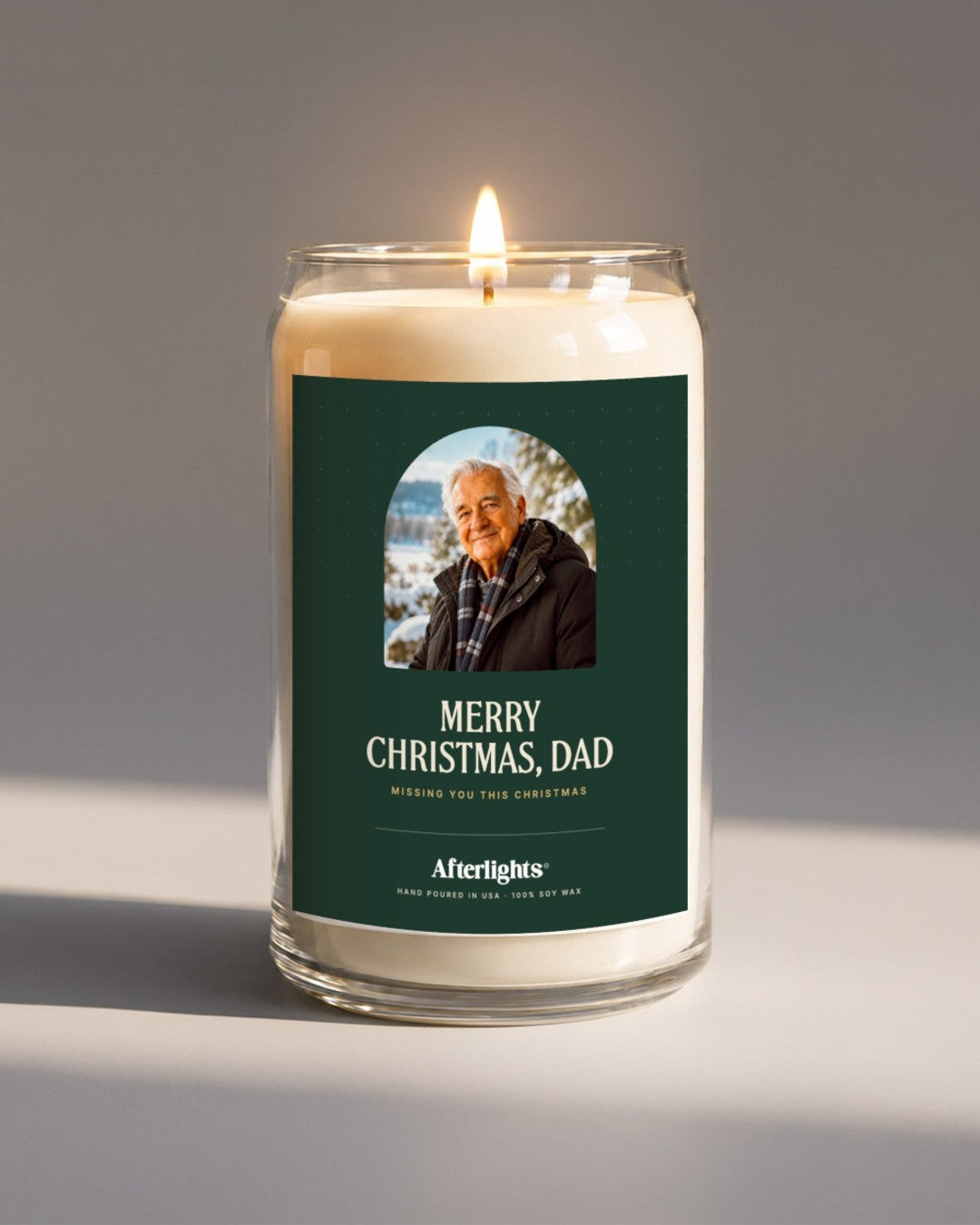
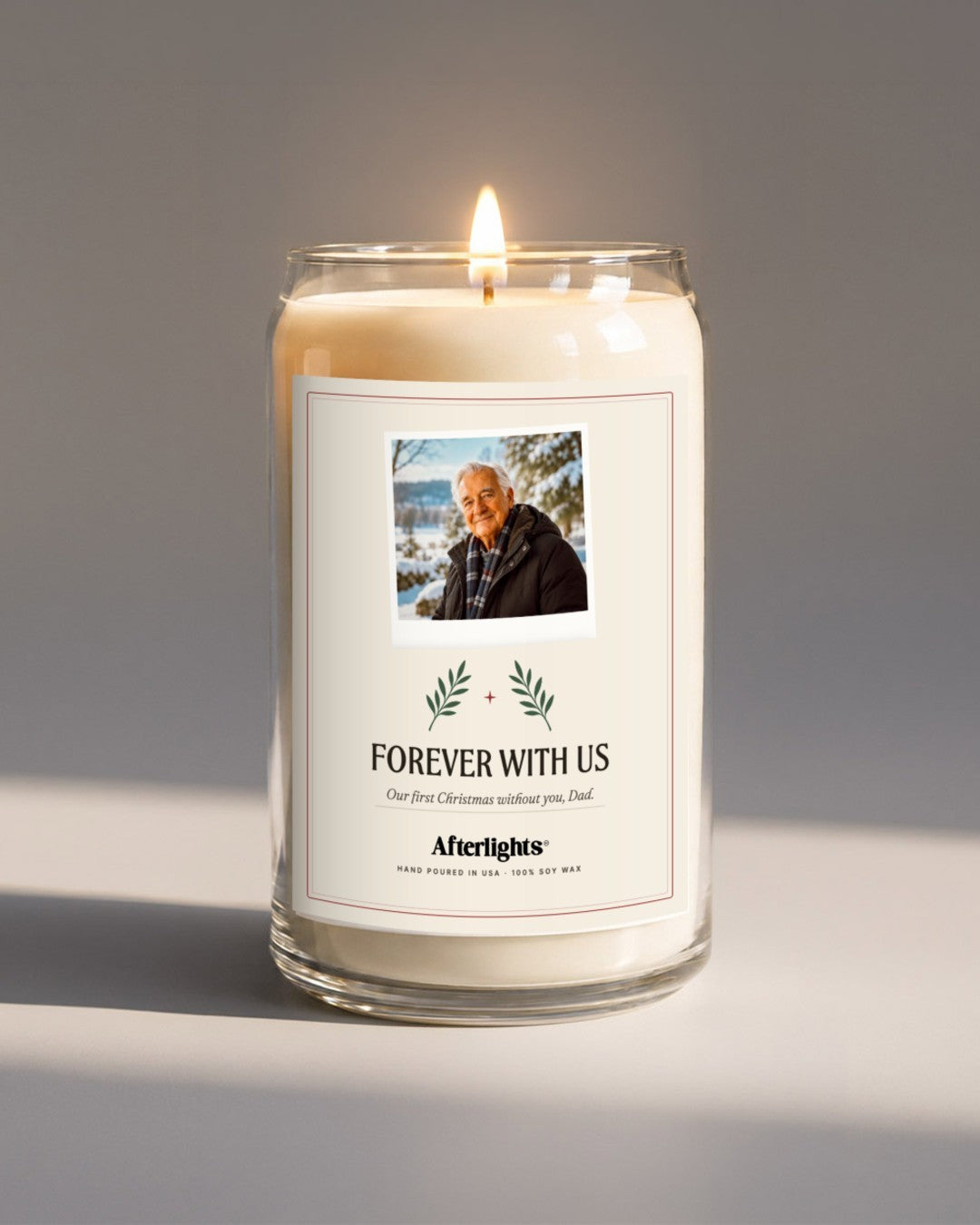
A personalized candle, a handwritten note framed in simple form, or an object tied to family rituals can work well here. The gift does not need to explain the whole relationship. It only needs to honor it honestly.
For the loss of a partner
Partner loss changes the texture of daily life. The empty chair, the quiet bed, the silence at dinner - grief shows up in routines. In this case, remembrance gifts that fit into ongoing life can feel especially grounding.
Objects used in the home often matter because they meet grief where it happens. A candle lit at the end of the day, a keepsake set out during anniversaries, or a small ritual object used in private can make solitude feel less formless.
For the loss of a child
This kind of grief carries its own gravity. Gifts should be chosen carefully, with restraint. Grand gestures are not always welcome. What often matters more is tenderness without pressure.
Remembrance gifts for the loss of a child may need to be quieter, softer, and deeply personal. A simple object with the child's name, a memorial candle for birthdays or due dates, or something that allows the parent to mark time without explanation can be enough. Enough is a meaningful standard here.
For the loss of a friend
Friendship grief is often underestimated. There may be fewer formal rituals around it, even though the bond was central. A remembrance gift can validate that loss in a way the culture does not always do well.
A gift for a grieving friend or for someone mourning a close friend should reflect shared life rather than formal tradition. Think less about what is expected and more about what feels true to that friendship.
Why ritual-based remembrance gifts often last longer
Some gifts are appreciated once. Others become part of the way a person grieves. That distinction matters.
Ritual-based remembrance gifts tend to have staying power because they invite action. Lighting a candle. Setting out a keepsake on a birthday. Reading the same short note every year. These are small actions, but grief often responds to small actions better than big ideas.
A ritual object does not need to be dramatic to be useful. In fact, the opposite is often true. The more natural it is to reach for, the more likely it is to become part of someone's real life.
This is one reason memorial candles resonate so deeply. They are not only decorative, and they are not only symbolic. They create a moment. You light one when words are hard, when dates return, when memory feels close, or when you need a quiet way to say, I still carry you here.
Afterlights was built around that understanding - that a candle can be more than fragrance, and that remembrance sometimes needs a repeatable form.
When to give remembrance gifts
Timing is rarely perfect after a death. The first week can be crowded and disorienting. A month later, the grieving person may feel more alone. The first birthday, holiday season, Father's Day, Mother's Day, or anniversary can hit with surprising force.
That means remembrance gifts do not have to be given immediately to be meaningful. In many cases, later is better. A thoughtful gift sent three months after the funeral can feel more supportive than one sent during the blur of arrangements.
If you are unsure, let timing follow awareness. Ask yourself when the person's support is likely thinning out. Ask what date might be approaching. Ask whether your gift creates pressure or relief.
There is also a difference between giving a remembrance gift publicly and privately. Some people welcome visible memorial objects in shared spaces. Others prefer something intimate they can use on their own terms. Neither response is wrong.
How to choose without making it feel commercial
This is where many people hesitate, and for good reason. Grief is tender. Shopping can feel blunt.
The best way to choose well is to resist novelty and focus on meaning. A good remembrance gift should feel less like a product and more like a container for memory. Materials matter. Tone matters. Packaging matters. Language matters. If the item feels flashy, overly cheerful, or mass-produced, it can miss the emotional reality of the moment.
It also helps to avoid forcing optimism. Not every grieving person wants messages about healing, closure, or silver linings. Often, what they need is something that quietly acknowledges love and absence at the same time.
If you are writing a card to go with the gift, simplicity is enough. Name the person who died. Name your care. Do not try to make the loss smaller.
The most lasting remembrance gifts make room for return
People do not move on from someone they love. They move with that loss, differently at different times. A meaningful gift understands this.
The best remembrance gifts are not trying to complete grief. They are helping someone return to love in a form they can hold. That might be a candle lit every Sunday evening, a keepsake touched before bed, or an object brought out every year on one hard date.
If you are choosing a gift for someone in mourning, gentleness matters. Specificity matters. Usefulness matters. But more than anything, choose something that can stay present after the casseroles are gone and the messages slow down.
Sometimes that is the most generous thing a gift can do - remain.